Sacred Splendor: Jewish Ritual Art and Christian Treasures from St. Vitus Cathedral in Prague
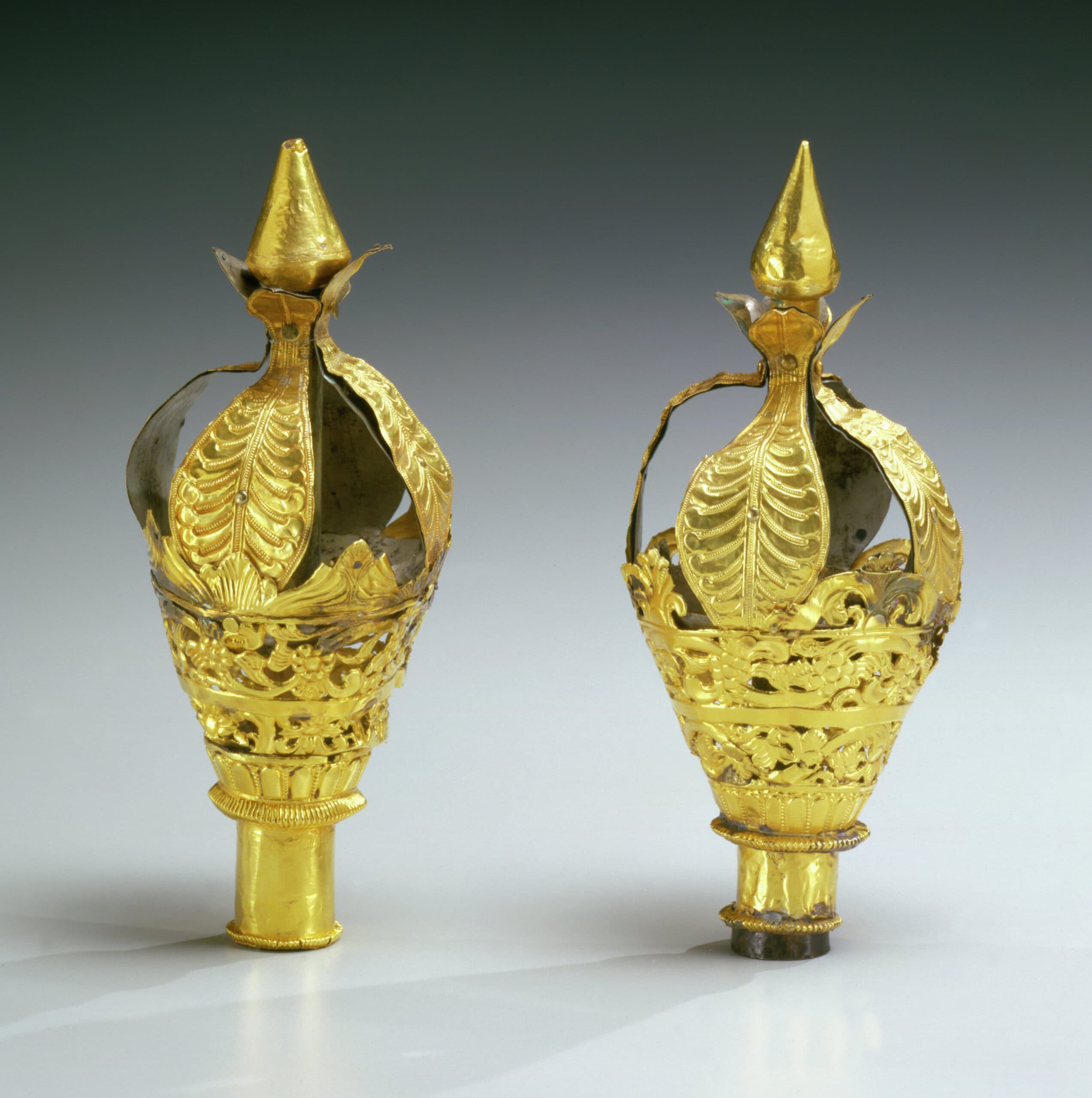
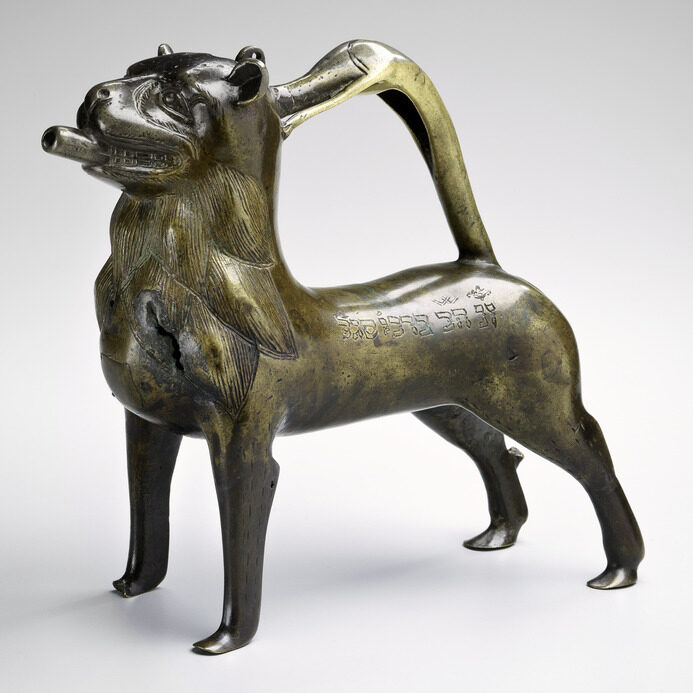
Sacred Splendor: Jewish Ritual Art and Christian Treasures from St. Vitus Cathedral in Prague brings Jewish and Christian sacred art from medieval to early modern Europe into dialogue, illuminating complex, interconnected histories across more than six centuries. The exhibition features Christian reliquaries on loan from St. Vitus Cathedral—the most extensive presentation of this treasury ever exhibited outside Europe—together with Jewish treasures never before shown in the United States. Through a robust presentation of over 160 objects, the exhibition examines shared urban and artistic environments, and the distinct ritual and theological frameworks that shaped sacred art across Central Europe. Highlights include rarely seen medieval Jewish-owned objects from hoards buried during periods of persecution that remained hidden for centuries, as well as Jewish ceremonial works from Bohemia and the Germanic regions, among them Torah ornaments, metalwork, and manuscripts.
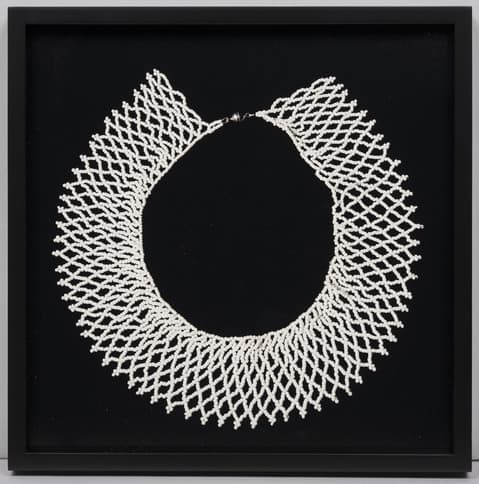
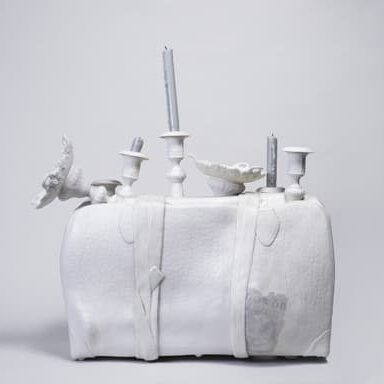
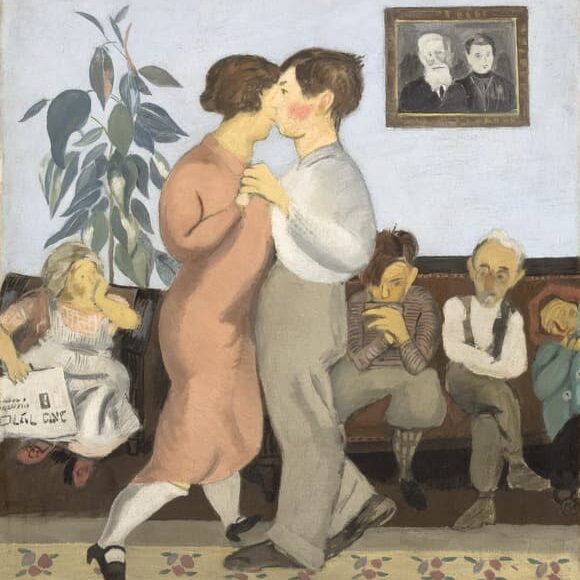
On view from September 18, 2026, through February 7, 2027, the exhibition also features tehillim [Psalms] (2018) by contemporary artist Edmund de Waal, whose work engages interculturally with history, memory, and language. tehillim’s spare composition of ceramic, alabaster, and gold leaf resonates powerfully with surviving fragments from medieval Jewish hoards that are also on view, engaging with the Book of Psalms as “songs and poems of exile.” Concurrently, in the Museum’s new third-floor collection galleries, two focused contemporary installations will expand on Sacred Splendor’s themes. Featuring artists Hannah Altman and Afruz Amighi, these presentations dialogue with the themes and materiality of the treasures on display from St. Vitus Cathedral and other sources across Europe and the United States.
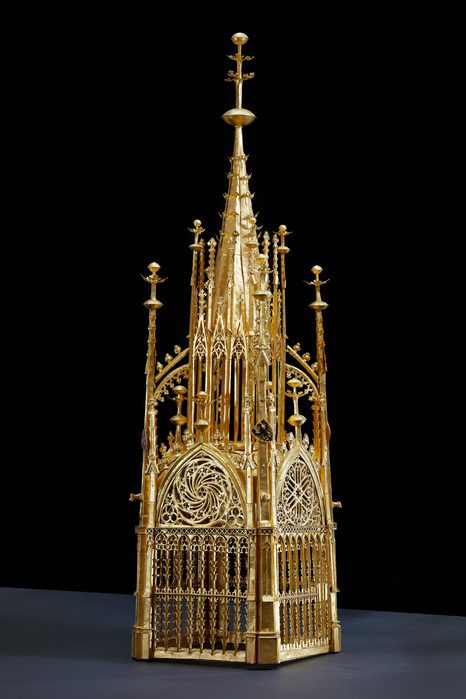
The exhibition’s narrative is anchored in the city of Prague, a religious and political capital at the crossroads of Central European trade routes that emerged as a key medieval center for the production of sacred art. King of Bohemia Charles IV refashioned the city’s St. Vitus Cathedral into a Gothic marvel and endowed it with important relics, commissioning elaborate reliquaries to house them. Prague’s Jewish community, well-established during this period after settling in the city centuries earlier, lived in close proximity to its Christian neighbors, developing their ritual traditions alongside one another.
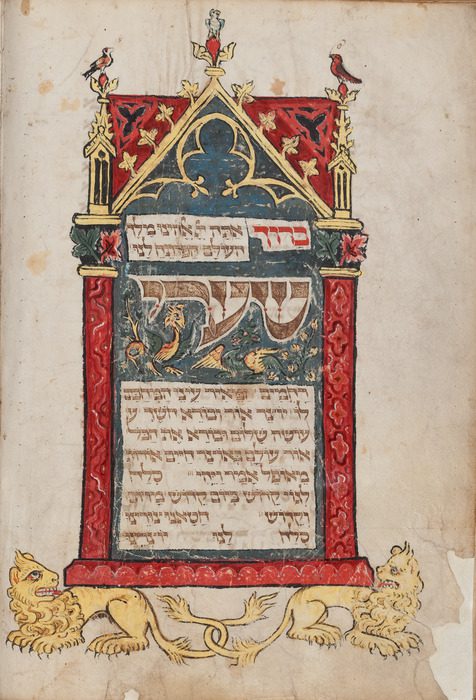
Organized chronologically and thematically, the exhibition sheds light on the ways in which a shared built environment—including Gothic architecture and design—influenced stylistic developments across faiths, producing visual resonances between sacred objects. Since Jews were barred from joining professional guilds, Christian artisans often worked across Jewish and Christian communities. The same Christian masons built Prague’s Altneuschul Synagogue and the nearby Convent of St. Agnes, from which architectural fragments will be on view. Similarly, a Christian Prayer Book and an illustrated Hebrew Bible from the workshop of the late fifteenth-century Bohemian illuminator Valentine Noh will be shown together for the first time.
Against the backdrop of this shared artistic environment, ties between Christians and Jews in Central Europe often frayed. When plague swept across Europe in the late 1340s, fear and uncertainty overwhelmed already-fragile social relations. Jews were falsely accused of poisoning water wells and causing the Black Death, which led to widespread attacks, expulsions, and the destruction of long-established Jewish communities across Central Europe. Some affluent Jewish families, facing escalating threat, hid their silver, coins, and jewelry underground, including several groups of objects showcased in the exhibition. These hoards stand in stark juxtaposition to the Christian reliquaries preserved by the church with reverence over hundreds of years.
Sacred Splendor concludes in the 16th and 17th centuries when Jewish ritual life flourished, book production blossomed, and vibrant cultural exchange thrived. This period was marked by the construction of three new synagogues in Prague, the establishment of communal organizations—including the first modern burial society—and a robust Hebrew printing culture.
In the Press:
“The Jewish Museum’s exhibition from St. Vitus Cathedral in Praguedisplays both superb Christian and Jewish objects never before seen in America.”
—The Epoch Times
Sacred Splendor: Jewish Ritual Art and Christian Treasures from St. Vitus Cathedral in Prague has been organized in collaboration with the Metropolitan Chapter of St. Vitus in Prague, represented by Vladimír Kelnar, Chancellor and Curator of the Metropolitan Chapter of St. Vitus in Prague. It is co-curated by Claudia Nahson, Morris & Eva Feld Senior Curator, and Abigail Rapoport, Jack, Joseph and Morton Mandel Curator of Judaica, in collaboration with Jiri Fajt, Consulting Curator. The presentation builds on Fragments of Memory, a 2024 exhibition at the Kunsthalle im Lipsiusbau in Dresden, Germany, and its 2026 iteration at the Prague Castle Riding School, both curated by Jiri Fajt. The contemporary component of the exhibition is organized by Shira Backer, Leon Levy Associate Curator.
Sacred Splendor: Jewish Ritual Art and Christian Treasures from St. Vitus Cathedral in Prague is made possible by Lilly Endowment Inc.
Leadership support of Sacred Splendor: Jewish Ritual Art and Christian Treasures from St. Vitus Cathedral in Prague, and Jewish Museum exhibitions, is provided by Jan Barta and the Knapp Family Foundation.
Major support is provided by the Achelis and Bodman Foundation, the David Berg Foundation, the Gladys Krieble Delmas Foundation, the Samuel H. Kress Foundation, Jane and Reuben Leibowitz, and the New York Medieval Society. Additional support is provided by the Dorot Publication Fund, the Alfred J. Grunebaum & Ruth Grunebaum Sondheimer Memorial Fund, and other generous donors.
Exhibition design by Leslie Gill, Laura Lyon, and Polina Stepanova; Leslie Gill Architect; graphic design by Topos Graphics
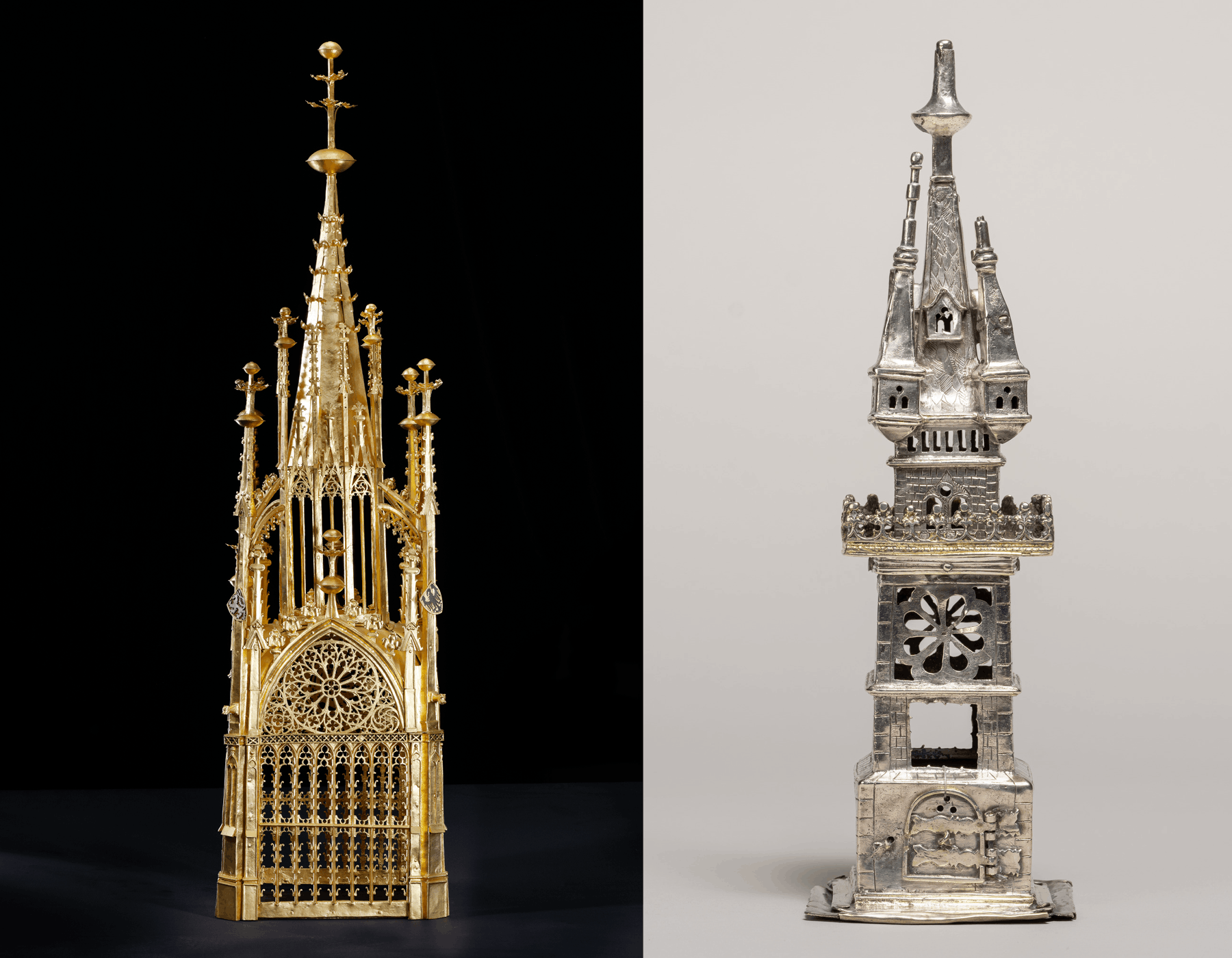
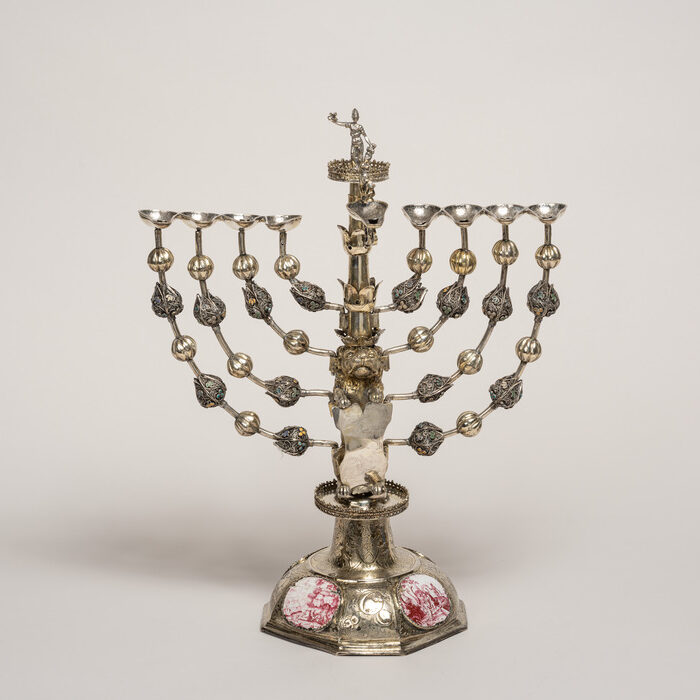
Left: Gothic Sacrament House, Prague, Master Wenceslas, c. 1375. Iron, gilded. Prague, Saint Vitus Cathedral, Saint Wenceslas Chapel. Right: Spice Container, Germany, c. 1550. Silver: traced, pierced, cast, and parcel-gilt. The Jewish Museum, New York. Photo by Kris Graves
Digital Guide
Digital guide supported by Bloomberg Connects.
Download Transcript
Audio Descriptions
Related Programs
-
 Talks & Performances
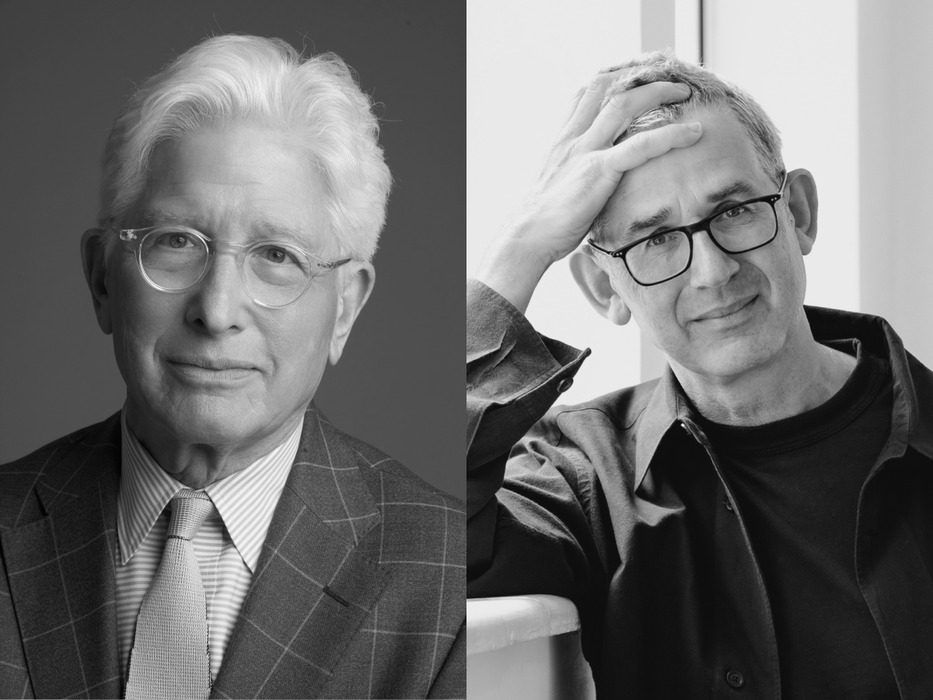
Director’s Talk: James S. Snyder in Conversation with Edmund de Waal (Sold Out)
Sep. 17, 2026 6:30 pm - 7:30 pm -
Talks & Performances
Performance: Jerusalem Baroque Orchestra presents Kedusha
Nov. 12, 2026 7:00 pm - 8:30 pm -
-
Talks & Performances
Director’s Talk: James S. Snyder in Conversation with Adam Levine
Dec. 7, 2026 6:30 pm - 7:30 pm