Modernity and Opulence: Women of the Wiener Werkstätte
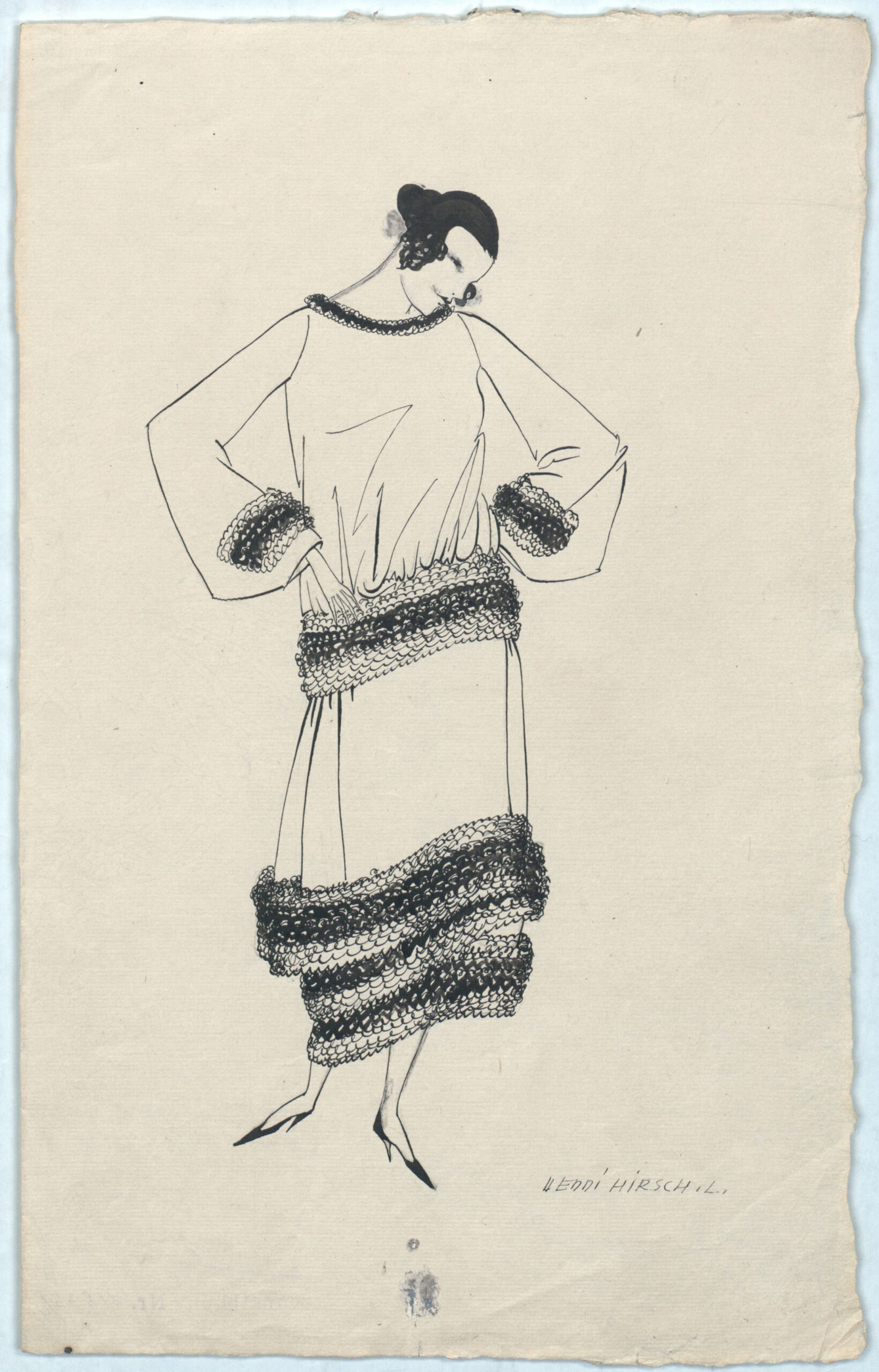
Modernity and Opulence: Women of the Wiener Werkstätte sheds new light on the role that Jewish women played as artists, designers, patrons, and tastemakers shaping modernist aesthetics in early 20th-century Vienna and beyond.
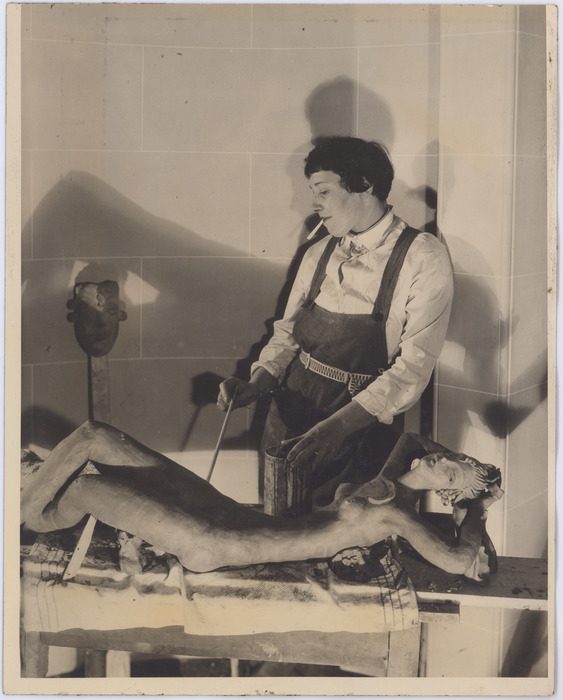
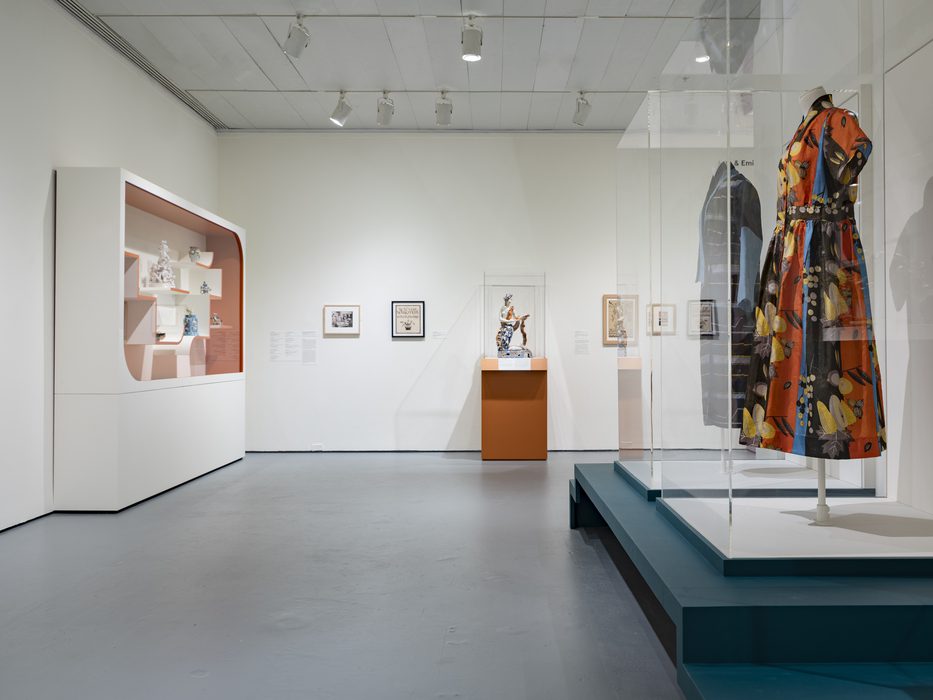
With more than 200 objects by some 30 Jewish women artists on view, the exhibition is organized thematically to reveal the extraordinary range and technical prowess of the women of the Wiener Werkstätte across mediums. A special emphasis is placed on Vally Wieselthier and Felice Rix-Ueno, whose prolific work, in ceramics and textile design respectively, has had lasting influence on these disciplines. The exhibition also provides a meaningful reintroduction to the work of artists whose work is less well-known today, and a platform for exploring their impact in the context of art and design histories.
Active from 1903 to 1932, the Wiener Werkstätte was founded by architect Josef Hoffmann, artist Koloman Moser, and industrialist art collector Fritz Waerndorfer as a multidisciplinary collective and commercial enterprise that embraced the synthesis of art and life (gesamtkunstwerk) as an essential condition of modern living. The establishment of the Werkstätte, which designed, produced, and sold high-quality goods, coincided in mutually supportive ways with the burgeoning economic opportunities available to women in Vienna during this same period.
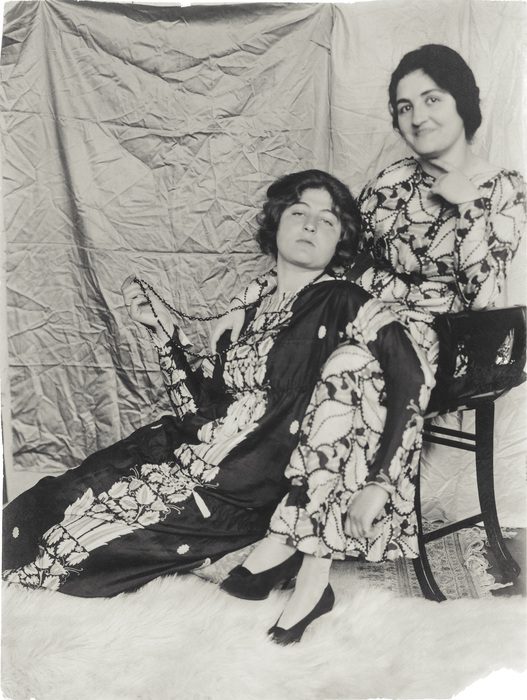
Modernity and Opulence reveals recent scholarship, which has identified approximately one quarter of the nearly 200 women artists known to have worked for the Wiener Werkstätte as being of Jewish faith, descent, or having Jewish families. This exhibition marks the first in-depth presentation of the Jewish women—artists and patrons alike—who helped shape the defining modernist ideas and aesthetics of the Wiener Werkstätte.
In the Press
“And now the Jewish Museum in New York is giving us a window onto these radical women, and their tastes, in a thrilling show called “Modernity and Opulence: Women of the Wiener Werkstätte.” It pulls together more than 200 objects designed at the Werkstätte over the company’s three-decade life.”
—The New York Times
Featured in “Summer Previews: The Season’s Most Anticipated Shows”
—Artforum
“…explores how the Wiener Werkstätte preserved the human touch of handcraft”
—The Art Newspaper
“…conjures the optimistic, creative ebullience of early 20th-century Vienna”
—Financial Times
“The Jewish Museum’s latest exhibition illuminates how these women became central to the Wiener Werkstätte’s commercial success in Austria and beyond.”
—Vogue
The exhibition Modernity and Opulence: Women of the Wiener Werkstätte is a cooperation between the Jewish Museum, New York, and MAK – Museum of Applied Arts, Vienna. Curated by Kristina Parsons, Leon Levy Associate Curator, the Jewish Museum, New York, with curatorial consultancy by Anne-Katrin Rossberg, MAK, Vienna.

Leadership support of the Jewish Museum's exhibitions is provided by the Knapp Family Foundation.
Major support of Modernity and Opulence: Women of the Wiener Werkstätte is provided by Jane and Reuben Leibowitz, The Silberstein Foundation, the Centennial Fund, the Horace W. Goldsmith Exhibitions Endowment, the Skirball Fund for American Jewish Life Exhibitions, and the Joan Rosenbaum Exhibition Endowment.
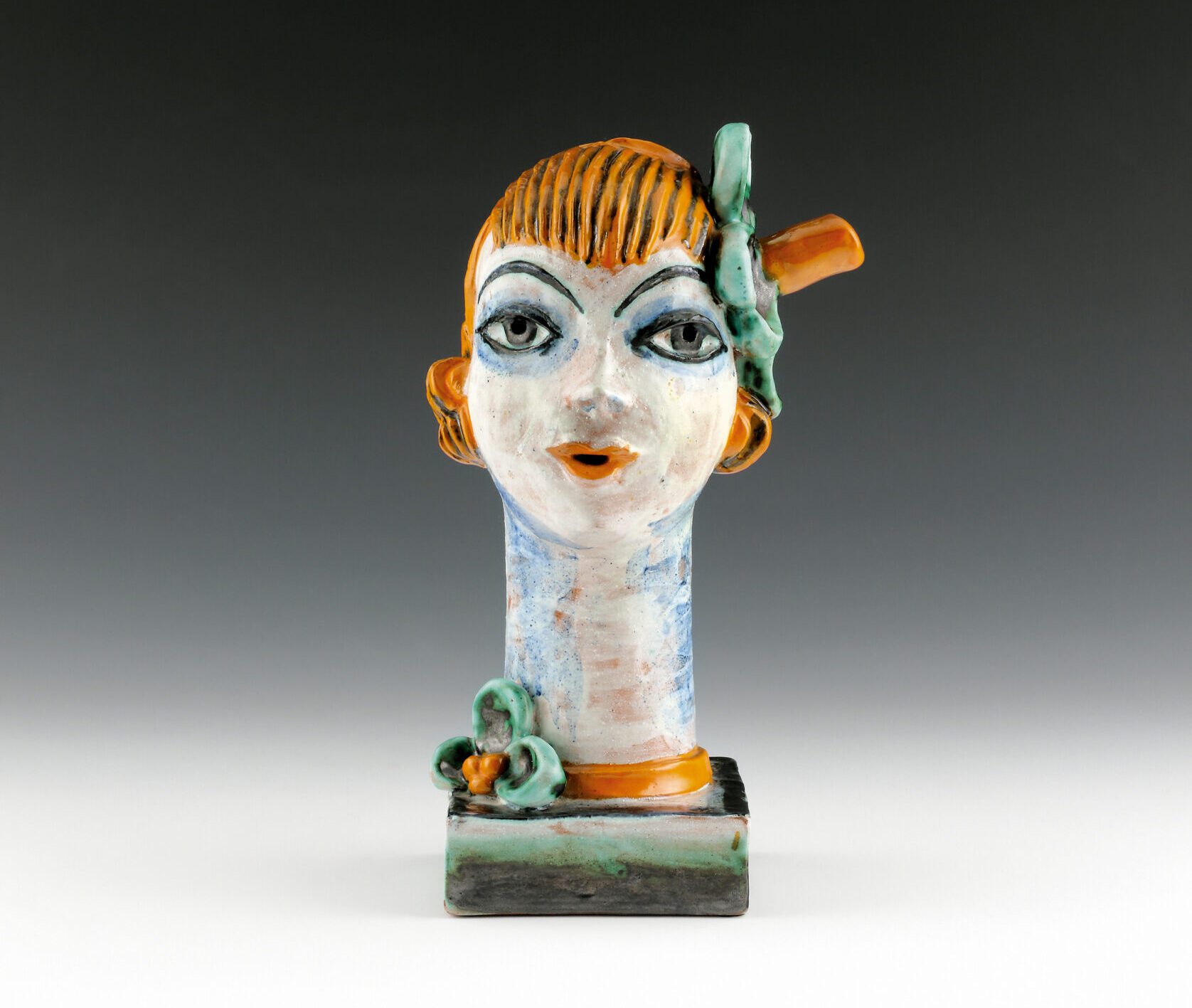
Vally Wieselthier, "Head of a woman, model 511," 1928. Red pottery, polychrome glaze, height: 9 5/8 in. (24.5 cm). © Galerie bei der Albertina Zetter
-

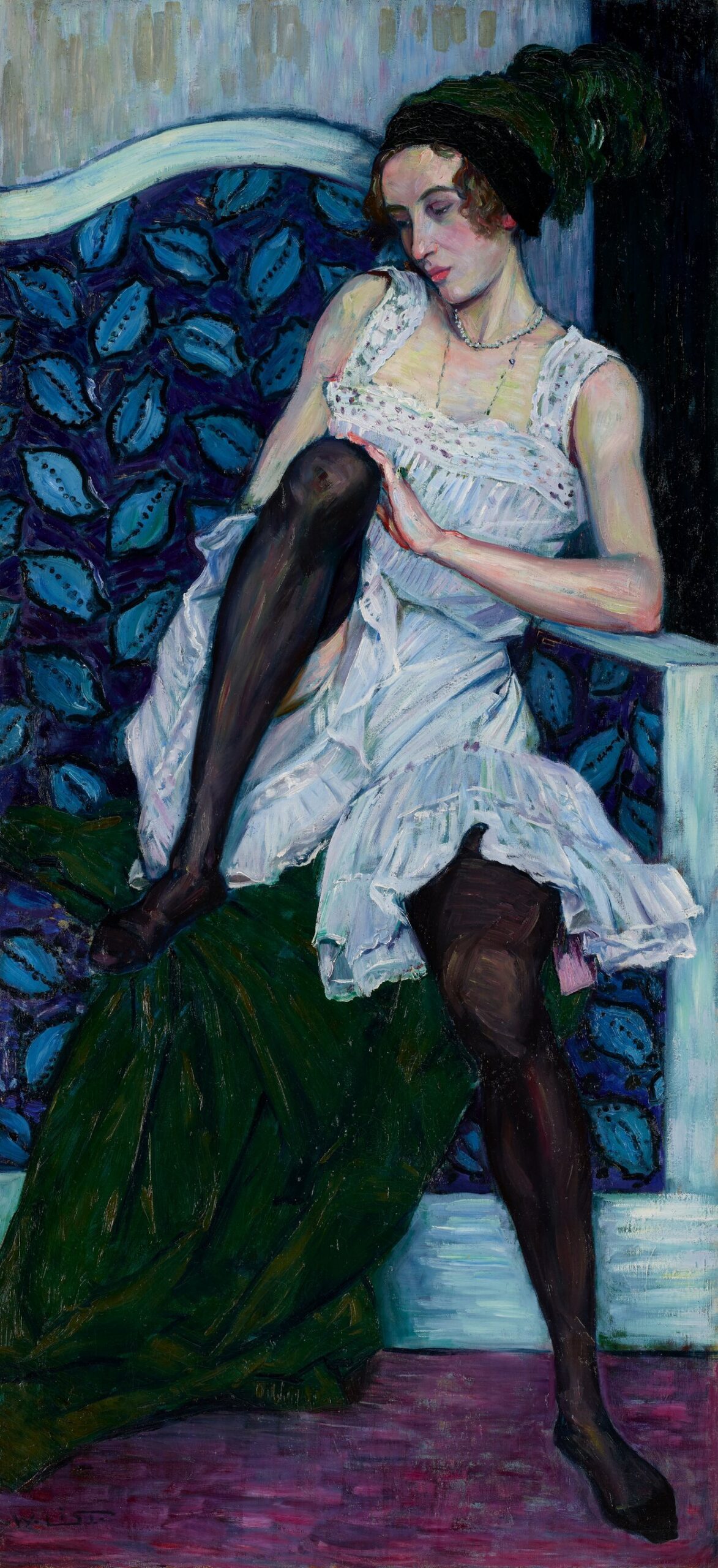
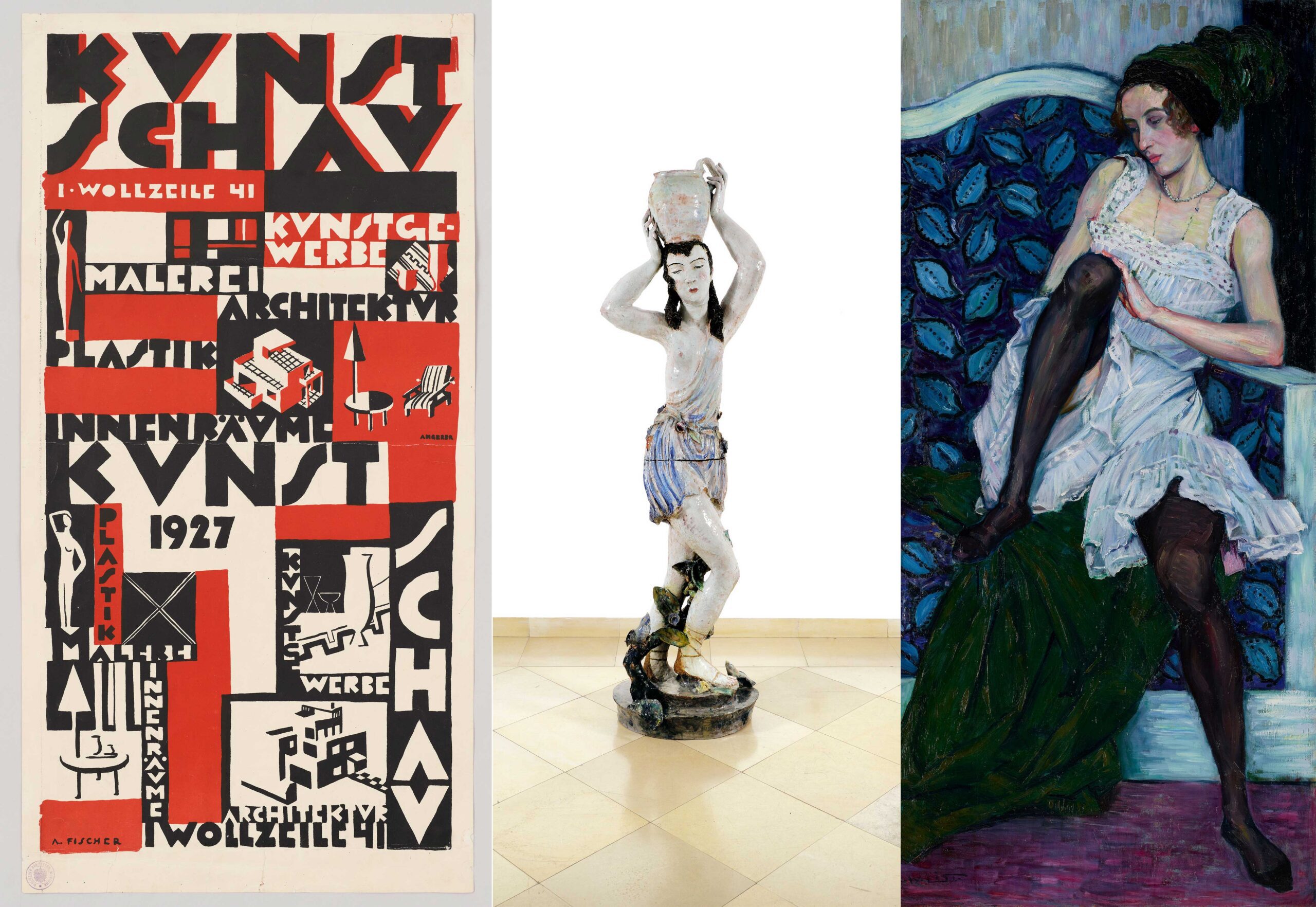
Alice Fischer and Mea Angerer, Poster for Kunstschau 1927, 1927. Lithograph on paper, 26 × 13 3/16 (66 × 33.5 cm). MAK – Museum of Applied Arts, Vienna, PI 33. Photo: MAK / Christian Mendez | Susi Singer, "Figure with Jug," 1921–22, Wiener Werkstätte model number KO 5489. Red pottery, polychrome glaze, 67 1/4 × 20 × 13 in. (170.8 × 50.8 × 33 cm). Galerie bei der Albertina Zetter | Wilhelm List, "Young Woman in Undergarments," c. 1910–11. Oil on canvas, 49 5/8 × 22 5/8 in. (126.05 × 57.47 cm). Minneapolis Institute of Art. The Mary Ingebrand-Pohlad Endowment for Twentieth Century Paintings, 2015.40.1
-
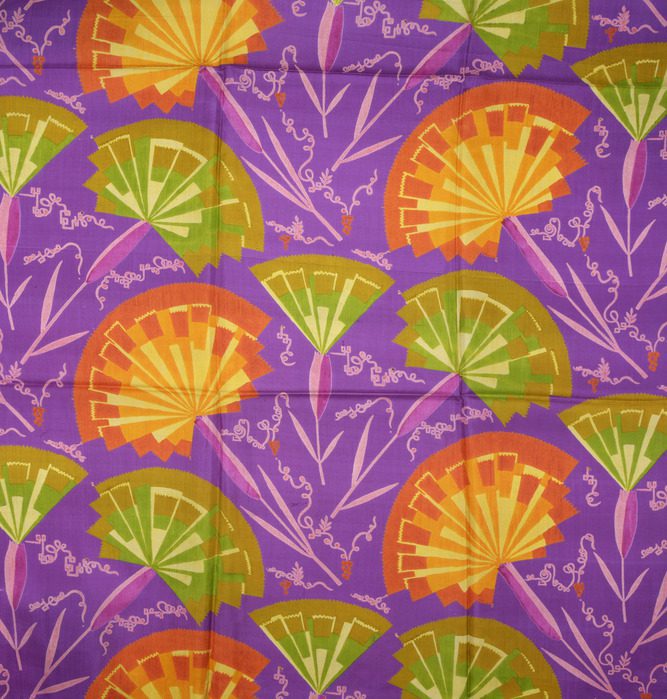
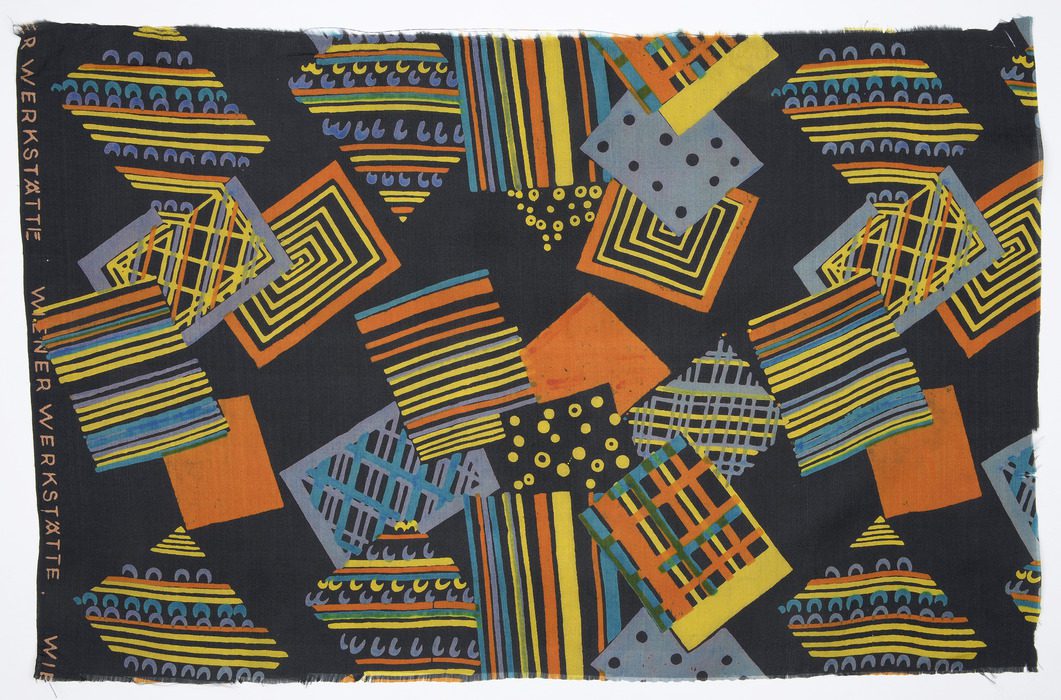
Hilde Blumberger, Fabric sample of "Quartett" (black), 1928. Printed, plain weave silk, 16 15/16 × 11 7/16 in. (43 x 29 cm). MAK – Museum of Applied Arts, Vienna. Donation, 1955, WWS 610. Photo: MAK / Branislav Djordjevic
-
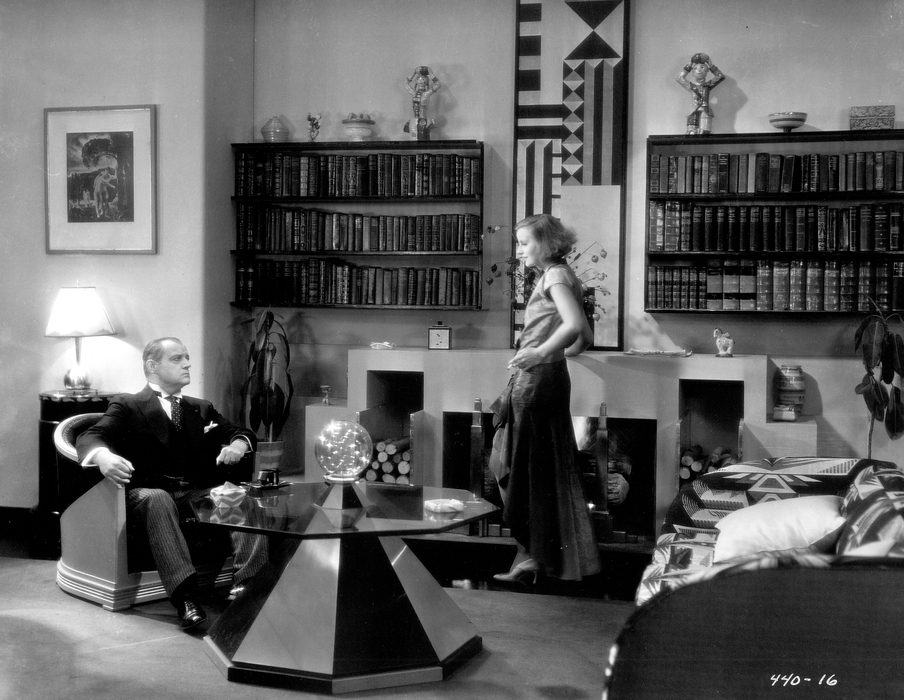
"The Kiss" (1929) Directed by Jacques Feyder Shown from left: Anders Randolf, Greta Garbo
Related Videos
-
Modernity and Opulence: Women of the Wiener Werkstätte | Now on View. Video by SandenWolff

Digital Guide
Digital guide supported by Bloomberg Connects.
Download Transcript
Audio Descriptions
Related Programs
-
Talks & Performances
Writers and Artists Respond: Arlene Shechet
Sep. 24, 2026 6:30 pm - 7:30 pm -
Classes & Workshops
Drawing from Portraiture: Exploring Figuration in Women of the Wiener Werkstätte (Sold Out)
Sep. 30, 2026 11:00 am - 2:00 pm -
Classes & Workshops
A Closer Look Art History Seminar: Modernity and Opulence: Women of the Wiener Werkstätte
Oct. 5, 2026 11:30 am - 12:45 pm -
-
Talks & Performances
Dialogue and Discourse: Embodied Histories
Oct. 29, 2026 6:30 pm - 8:00 pm -
Talks & Performances
Dialogue and Discourse: Jewish Patronage of the Wiener Werkstätte
Nov. 5, 2026 6:30 pm - 8:00 pm -