The Jewish Museum Presents New, Major Collection Exhibition Featuring Nearly 600 Works from Antiquities to Contemporary Art
New York, NY, January 17, 2018 – For the first time in 25 years, the Jewish Museum has organized a major new exhibition of its unparalleled collection. Scenes from the Collection transforms the entire third floor with nearly 600 works from antiquities to contemporary art, many of which are on view for the first time at the Museum. Art and Jewish objects are shown together, affirming universal values that are shared among people of all faiths and backgrounds.
The Jewish Museum’s collection spans more than 4,000 years through nearly 30,000 objects, including painting, sculpture, photography, decorative arts, ceremonial objects, antiquities, works on paper, and media. Viewed through a contemporary lens, the collection is a mirror of Jewish identities past and present.
Instead of a single narrative, Scenes from the Collection is divided into seven different sections, or scenes, highlighting the diversity and depth of the collection. Each one reveals the ways in which the presentation of art and history are shaped by context and perspective. The new installation is a powerful expression of artistic and cultural creativity as well as a reflection of the continual evolution that is the essence of Jewish identity. This unique mix of art and ceremonial objects speaks of the many strands of Jewish tradition, culture, spirituality, and history. The stories the works of art tell illuminate multiple perspectives on being Jewish in the past and present, how Jewish culture intersects with art, and how it is part of the larger world of global interconnections.
The exhibition also explores the history of the Museum’s collection itself over the more than 100 years of its existence. Key episodes in the origins of the collection are highlighted in texts scattered through the galleries considering what, why, and how the Museum has collected and what this says about the changing identity of the institution, and evolving intersections of art, Jewish culture, and world events.
Unlike its predecessor, Culture & Continuity: The Jewish Journey (on view from 1993 to 2017), Scenes from the Collection is flexible, with several scenes changing annually, and one changing every six months, so that different subjects can be examined while audiences are offered opportunities to see as much of the collection as possible, including new acquisitions.
The scenes are:
Constellations
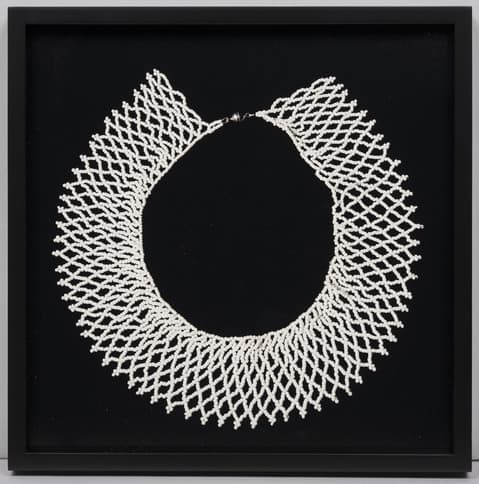
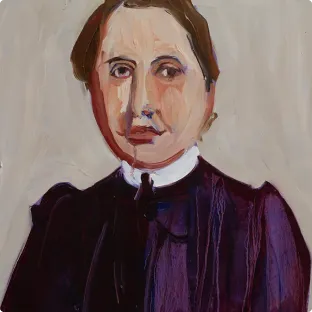
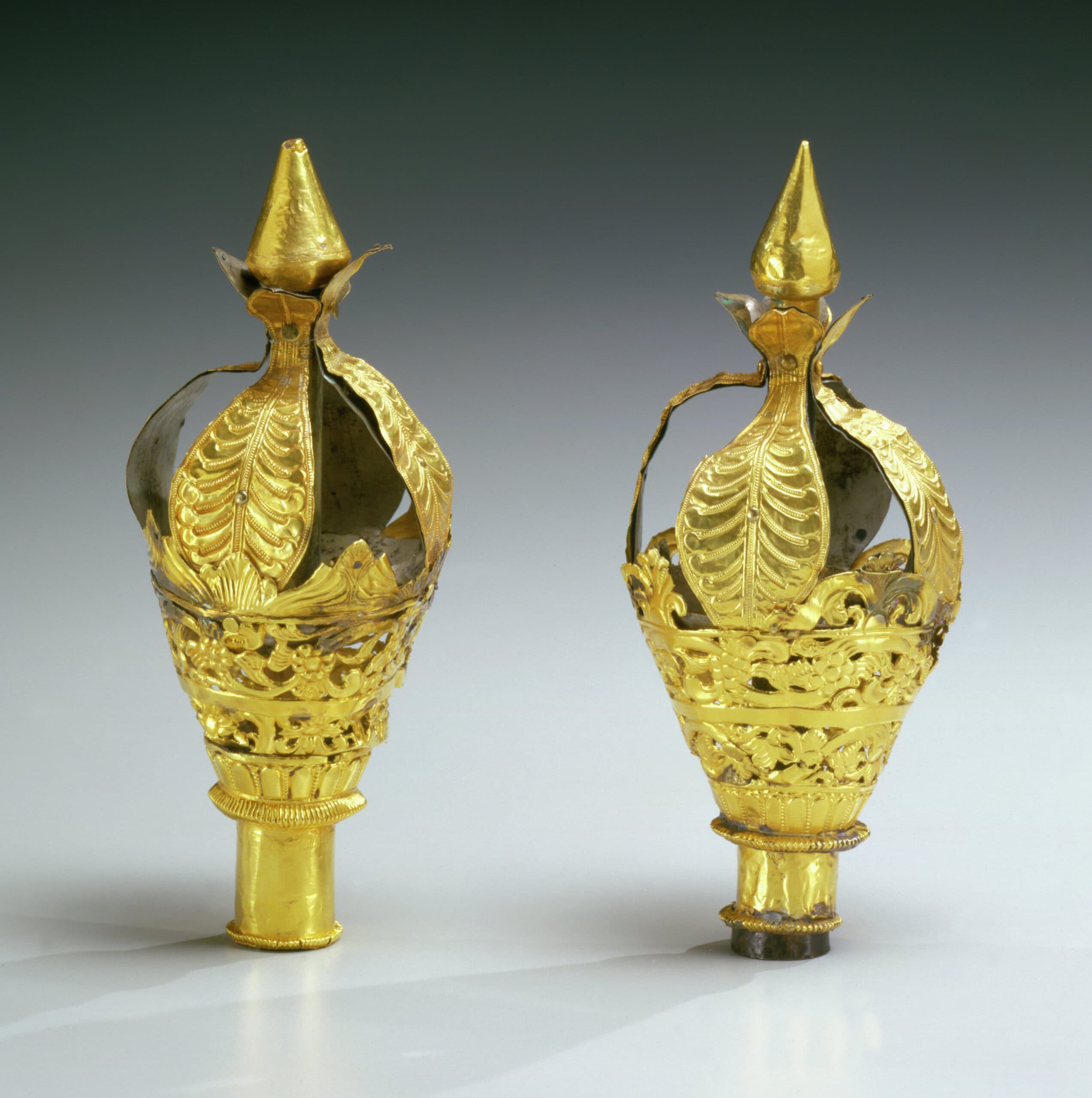
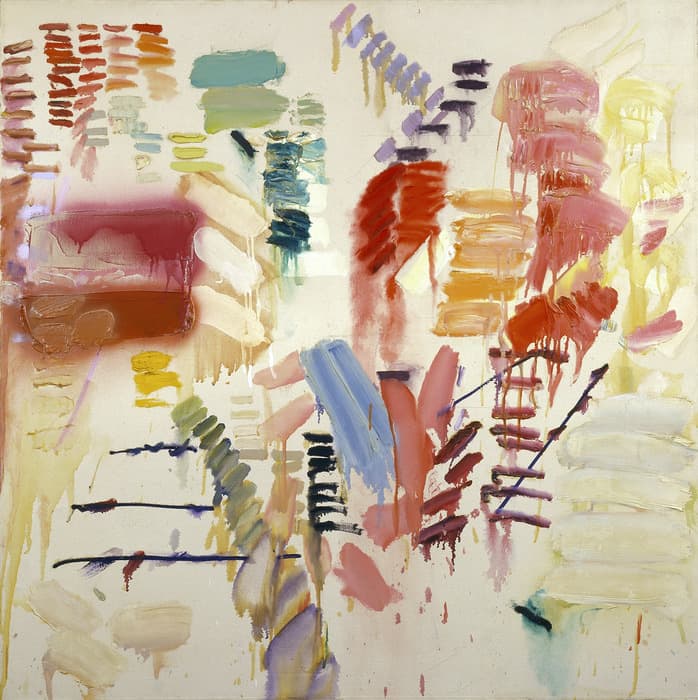
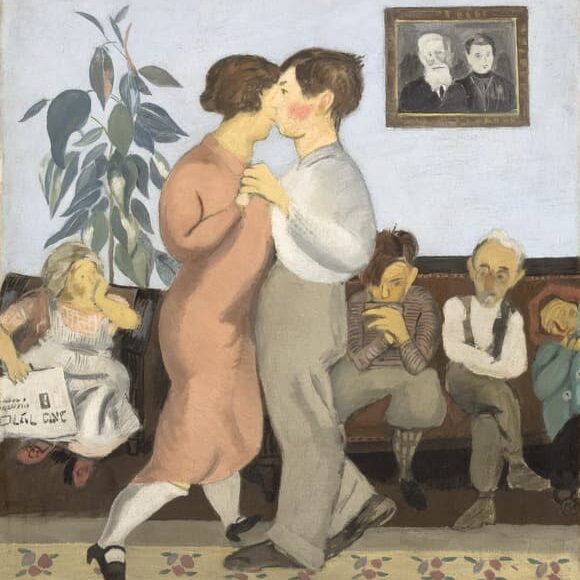
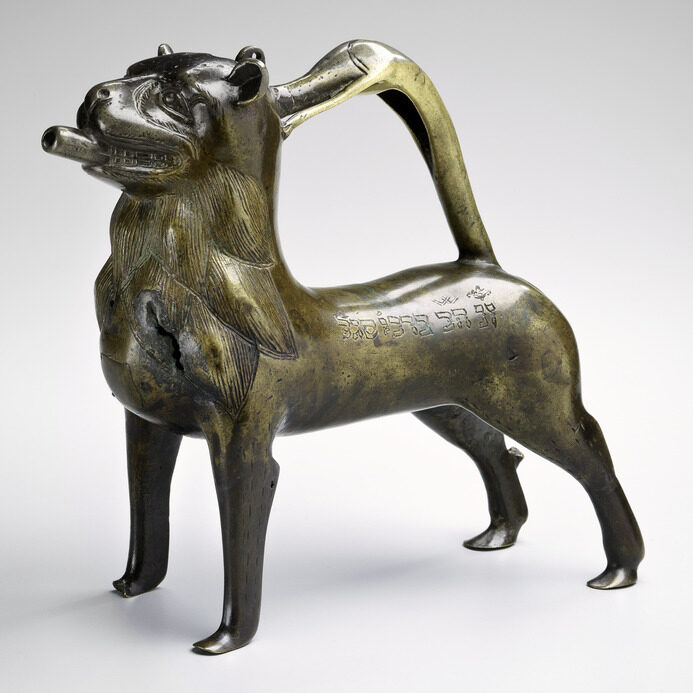
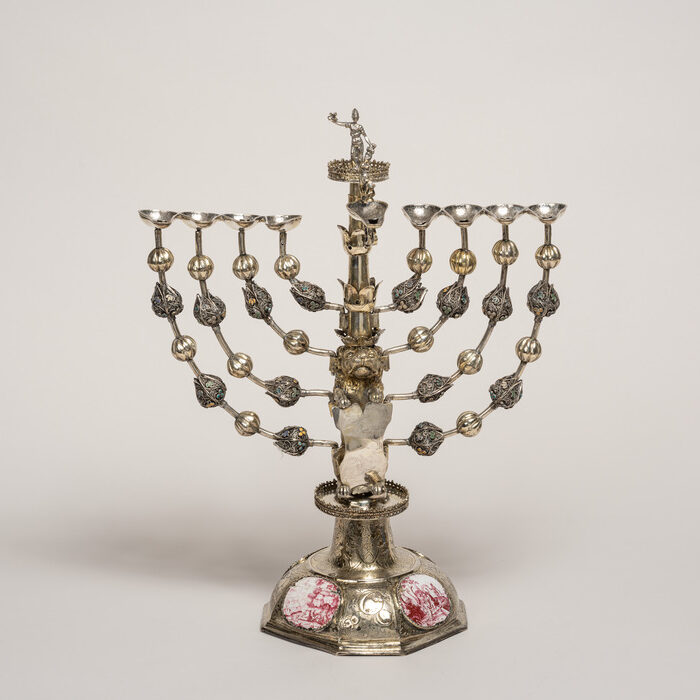
Some of the most powerful works in the collection are those that express aspects of Jewish culture, history, or values, while also reflecting universal issues of art and its relationship to society. In “Constellations,” nearly 50 of the most significant works in the collection are exhibited as individual gems but with thematic connections to one another. Issues explored include transforming and transcending tradition, cultural distinctiveness and universality, and the ever-changing nature of identity. Works by such artists as Mel Bochner, Nicole Eisenman, Eva Hesse, Lee Krasner, Camille Pissarro, Mark Rothko, Joan Snyder, and Kehinde Wiley are included. A diverse selection of Hanukkah lamps and other ceremonial objects drawn from the Museum’s renowned collection—from the 3rd to the 21st centuries, and Europe, North Africa, Asia, and the United States—are also on view.
On view for the first time at the Jewish Museum, and in the United States, is NOW (2015) by Chantal Akerman, her final video installation. Projections surround the viewer with fast-moving footage of an unidentified desert landscape. Each has a different, fragmentary soundtrack, so that sounds overlap in an impressionistic medley. As these sounds accumulate, and the desolate land streaks by like a painting in time, the effect is increasingly ominous. This work will be on view in “Constellations” through July 21, 2018.
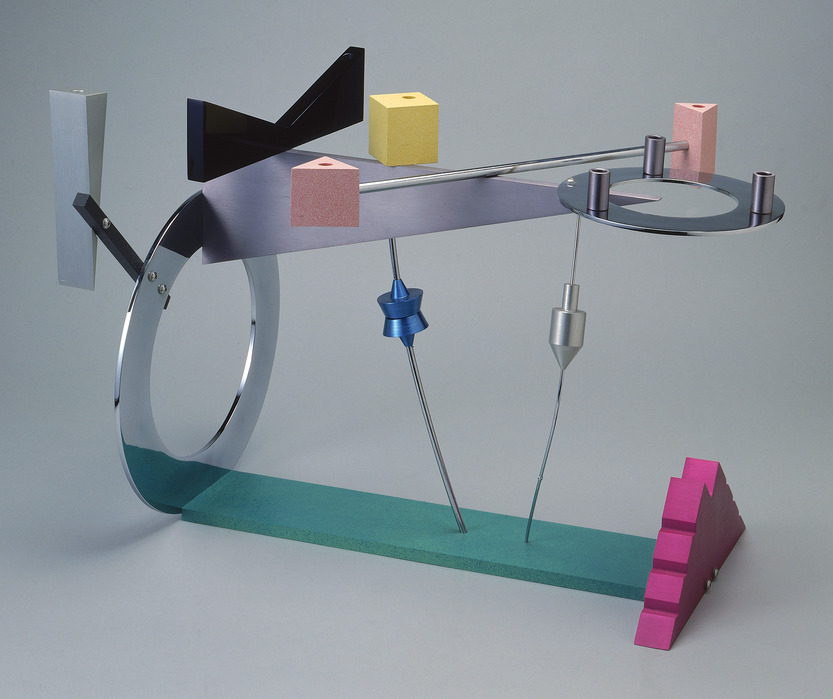
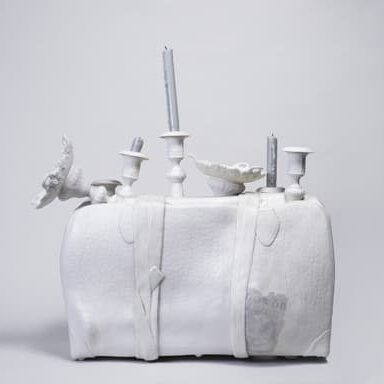
Travel Light (2017), a new sculpture by Arlene Schechet, is inspired by a pair of candlesticks that the artist’s grandmother brought from Belarus in 1920, the only material objects the family possessed from where they came from.
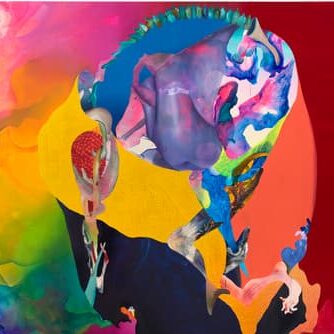
Also new to the collection is ruby onyinyechi amanze’s take on the traditional Jewish marriage contract, or ketubbah (2017). The artist’s focus is on the diversity of the Jewish people, represented by an ambiguous central couple with not-quite-human skin color and pattern, and an elaborate hairstyle based on that worn by Igbo women in Nigeria, where the artist was born. The work also explores marriage as “a narrative of freedom within union and magic in intimacy.”
Taxonomies
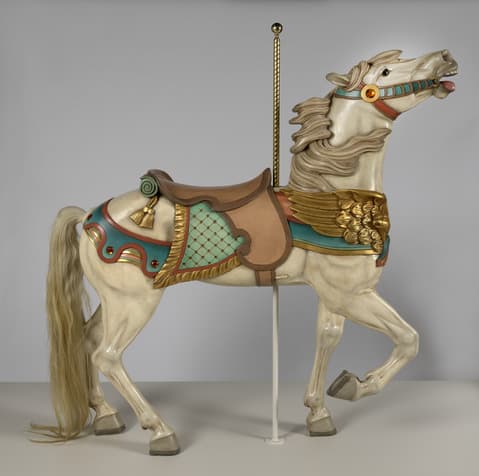
“Taxonomies” is organized as a contemporary Wunderkammer (Cabinet of Wonders), a historical style of display first popularized during the Renaissance and recognized as a precursor of today’s museums. This scene is crowded with works of art and artifacts of various origins and materials, revealing interesting relationships between objects in the collection. Objects on view range from Torah ornaments made from ivory and a model of the ancient Temple of Jerusalem in a bottle to replicas of ancient sailing ships to a spice container by Lucy Puls (2006).
Masterpieces and Curiosities
“Masterpieces and Curiosities” is a series of installations focusing on single works from the Museum’s collection. The first iteration, on view through August 5, 2018, features a bracelet of charms assembled by Greta Perlman (1904-1975) in Theresienstadt, a camp-ghetto in the former Czechoslovakia that housed prisoners between 1941 and 1945. Over 140,000 Jews were deported there by the Nazis, including many artists and writers who struggled to maintain a vibrant cultural life. Despite horrific conditions, Perlman was able to gather the 20 charms and badges assembled into her bracelet, each steeped in personal memories. Intimate creations such as the bracelet gave some meaning to the lives of inmates in the ghetto. Additional works that were created in Theresienstadt are also displayed. Recent images of the ghetto by contemporary photographer Judith Glickman Lauder provide a stark contrast between the dehumanizing conditions imposed by the Nazis and the beauty of the pieces created by prisoners.
Accumulations
This section spotlights an aspect of museum collecting: the accumulation of multiple examples of a given work. The first iteration, on view through September 16, 2018, features a collection of 100 stereoscopic photographs of what was then called the Holy Land, including such sites as the Western Wall and the Dead Sea. These early examples of 3D technology were taken around 1900 when the popularity of stereograms was at its peak. Visitors are able to re-create the experience of viewing the stereograms through individual stereopticons and see the originals displayed in cases.
Signs and Symbols
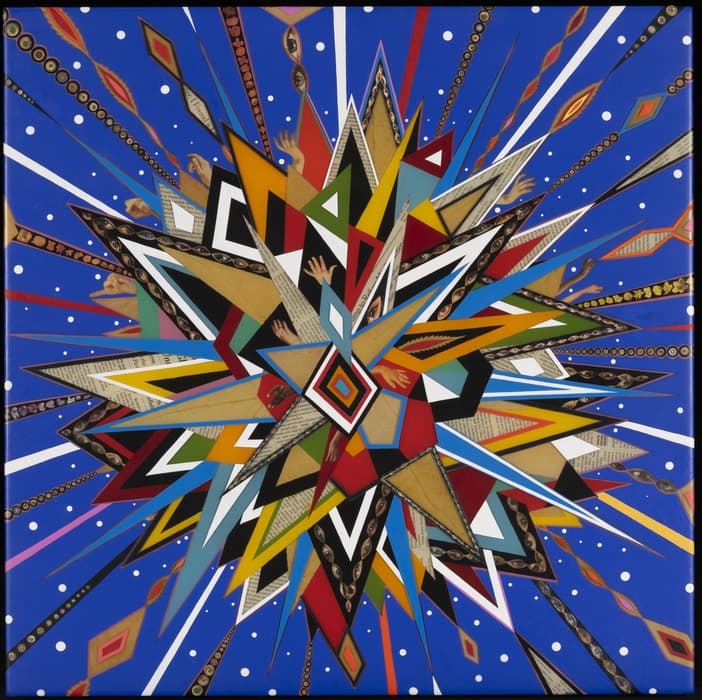
This section explores the significance of a particular iconic element or motif in a variety of works. The first iteration, on view through January 6, 2019, examines the meaning of the Star of David within Jewish contexts as well as the various interpretations of the six-pointed star as a widespread motif in other cultures. Works on view range from a Bohemian Hanukkah lamp (probably 18th century) that uses the star as an emblem for this Czech Jewish community to Persian and Indian Judaica that feature the symbol as an expression of late 19th and early 20th century Zionist sentiment. A ceramic beer pitcher from the late 19th century decorated with the star is also on display, attesting to secular use of the hexagram as a symbol for beer in Europe. Examples of post Holocaust art are also featured, including Morris Louis’s Man Reaching for a Star (1952), and in Dana Frankfort’s Star of David (Orange) (2007), the artist intends the star to be a symbol that anyone can make the subject of a work of art.
Television and Beyond
An important part of the Museum’s collection is explored in this section: the National Jewish Archive of Broadcasting (NJAB). With more than 4,000 holdings, the archive is the largest and most comprehensive body of broadcast materials on Jewish culture in the United States. A selection of television clips, rotating every six months, inspired by the archive examine how Jews have been portrayed and portray themselves, and how mass media has addressed issues of religion, ethnicity, and diversity. The first program, “Friends and Family,” view through August 6, 2018, highlights current television shows that disrupt previous norms of the family sitcom, expanding the notion of family to include invented and extended families and circles of intimate friends. Excerpts from such shows as Broad City, Crazy Ex-Girlfriend, Difficult People, Fresh Off the Boat, Grace and Frankie, Orange is the New Black, and Transparent are shown.
Personas
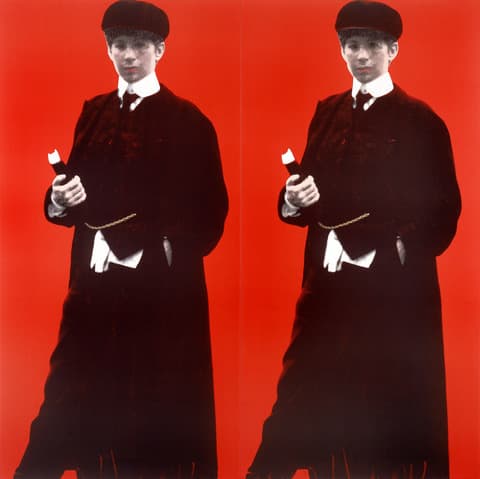
The Jewish Museum’s collection includes portraits dating from antiquity to the present, most either by Jewish artists or of Jewish sitters. A selection drawn from the Museum’s large and rich collection of portraits from different times and places make up this section. Seen together, the portraits offer remarkable insights into a range of social, political, and historical circumstances. The first iteration, on view through March 24, 2019, features self-portraits by such artists as Nan Goldin, Louise Nevelson, Man Ray, Ringl + Pit, and Cindy Sherman, among others. Moritz Daniel Oppenheim’s early nineteenth-century canvas shows a man proud of his academic training. Lee Krasner, a century later, depicts a young woman whose firm gaze expresses her determined self-definition as a painter. The feminist artists Hannah Wilke and Joan Semmel each rework the tradition of the nude to propose a self-possessed female sexuality. In works by Ross Bleckner and Deborah Kass, the self is evoked through symbolic forms associated with the artists’ identities as queer Jews.
Scenes from the Collection is organized by the Jewish Museum curatorial team.
Exhibition design by Calvin Tsao | Tsao & McKown; design and installation consultant, Daniel Kershaw; graphic design by Topos Graphics; lighting design by Clinard Design Studio; and exhibition fabrication by South Side Design & Building.
Support
Scenes from the Collection is made possible with leadership support from Amy and Jeffrey Silverman and the Eugene and Emily Grant Family Foundation, and through gifts from Audrey and Zygi Wilf, Jane and Mark Wilf, Debra Fine and Martin Schneider, Tracey and Robert Pruzan, the Lauder Foundation – Leonard & Judy Lauder Fund, Monica and Andrew Weinberg, gifts in honor of Regina Gruss, Jonathan and Darcie Crystal, Neubauer Family Foundation, Dr. William Pordy, Rhoda, Nolan and Harriet Rothkopf, the Knapp Family Foundation, the David Berg Foundation, Betty and John Levin, the Malinsky Family Charitable Trust and the Ira Waldbaum Family Foundation, Sara and Axel Schupf, the
Stern Family Philanthropic Foundation, UOVO, the Gottesman Fund, and other generous donors.