Virtual Art History Series: Great Jewish Artists
Mark Rothko, Lee Krasner, and Philip Guston
Tuesdays, October 27, November 3, and November 10, 2026
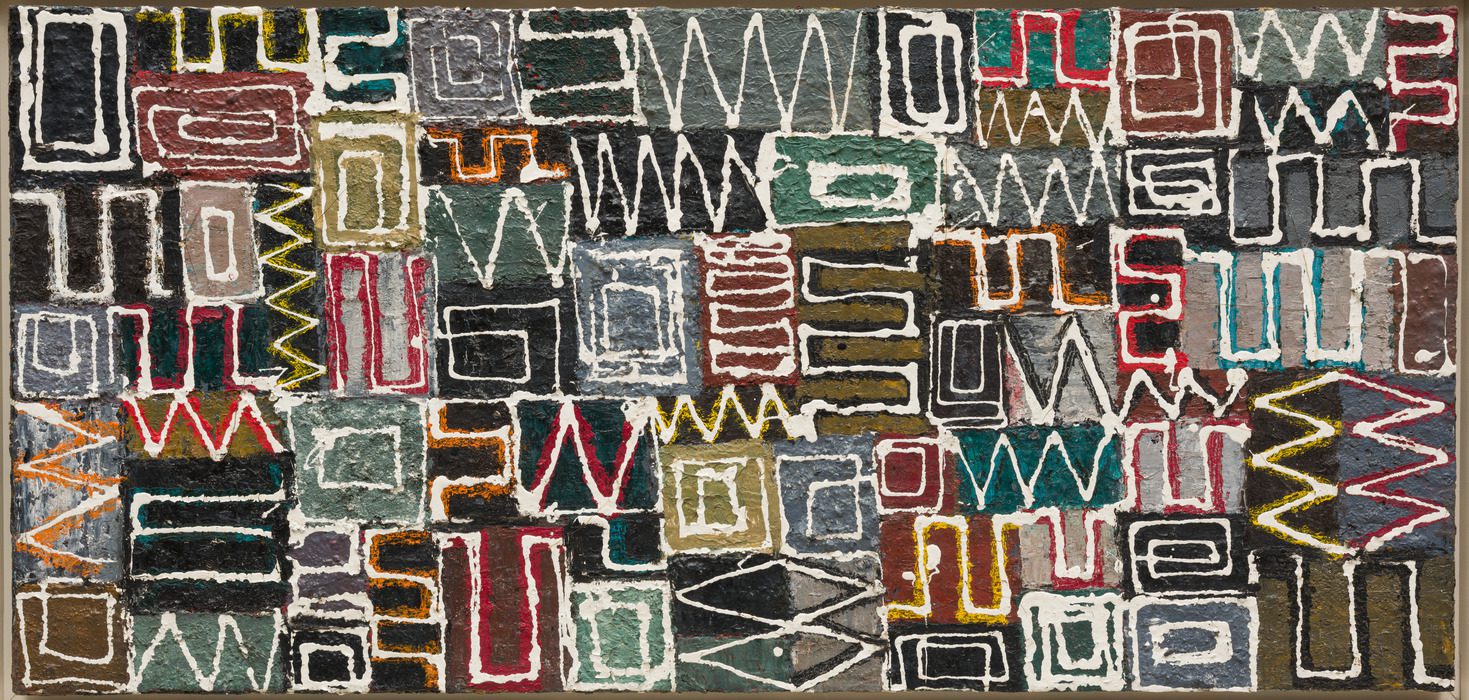
This three-part course, co-presented with 92NY Roundtable, offers a close look at the works of Mark Rothko, Lee Krasner, and Philip Guston, considering the role of Jewish identity in their approaches to painting. All three artists were Abstract Expressionists at one moment in time, but in the end, each pursued their own unique artistic path. For Krasner, there are hints of her Jewish upbringing in the Little Image paintings, for Rothko, spirituality plays an important role, and for Guston, the specter of the Holocaust finds expression in his later works.
Session 1 on October 27: Mark Rothko
“A painting is not a picture of an experience; it is an experience.”
Mark Rothko (1903 – 1970) emigrated with his family to the United States in 1913 moving from Latvia to Portland, Oregon and eventually settling in New York as a young adult in 1923. The distinctive color field paintings of Rothko’s mature style—hovering atmospheric rectangles of evocative color—evolved from his explorations with Surrealism, his admiration for the art of Paul Cézanne and Henri Matisse, and from the teachings of his mentor Milton Avery. This session examines Rothko’s works and related writings to arrive at an appreciation of the poetry of his art.
Session 2 on November 3: Lee Krasner
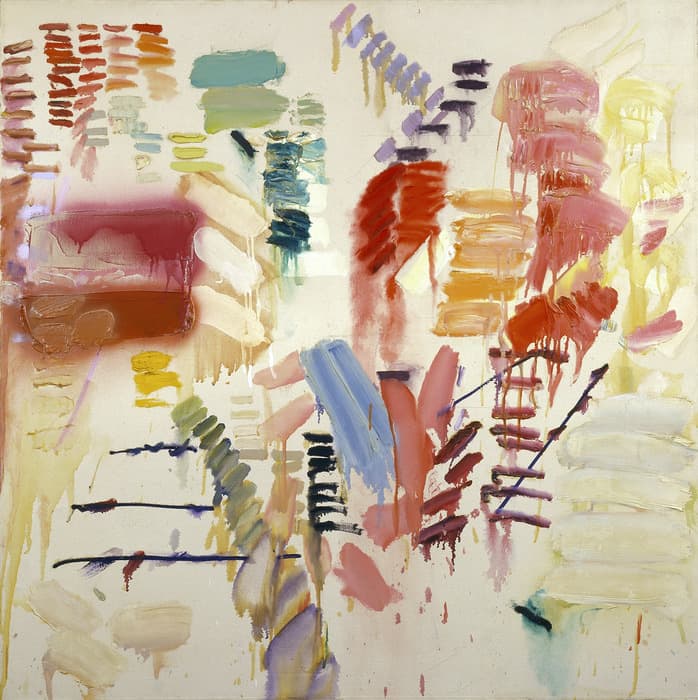
Lee Krasner (1908 – 1984), born in Brooklyn to a Russian Jewish immigrant family, was a key figure in the Abstract Expressionist group despite remaining in the shadows as an artist for many years while her husband Jackson Pollock took centerstage. Deeply embedded in the New York art scene in the 1940s and 1950s, Krasner was a powerful advocate for contemporary artists. Later, when the art world caught up with her, she would have solo exhibitions at the Whitney Museum of American Art in 1975 and at the Museum of Modern Art in 1984. This session explores Krasner’s large-scale vibrantly colored paintings in the context of her earlier work and her relationships with fellow artists.
Session 3 on November 11: Philip Guston
As a member of the Abstract Expressionist group, Philip Guston (1913–1980), the child of Jewish immigrants from Odessa (present-day Ukraine), painted lyrical abstractions so when he pivoted to depicting cartoonish Ku Klux Klan figures in 1969, critics and the public were shocked. This session takes a close look at the iconography of Guston’s Klan paintings and the later works which reference the Holocaust, confronting the unsettling imagery that Guston insisted on foregrounding in order to grapple with the complex reality of his time.
This program is presented in partnership with 92NY Roundtable.
Tickets: $138 General; $96.60 Jewish Museum and 92NY Members. Price includes all three sessions. For inquiries or to purchase tickets, please contact [email protected]