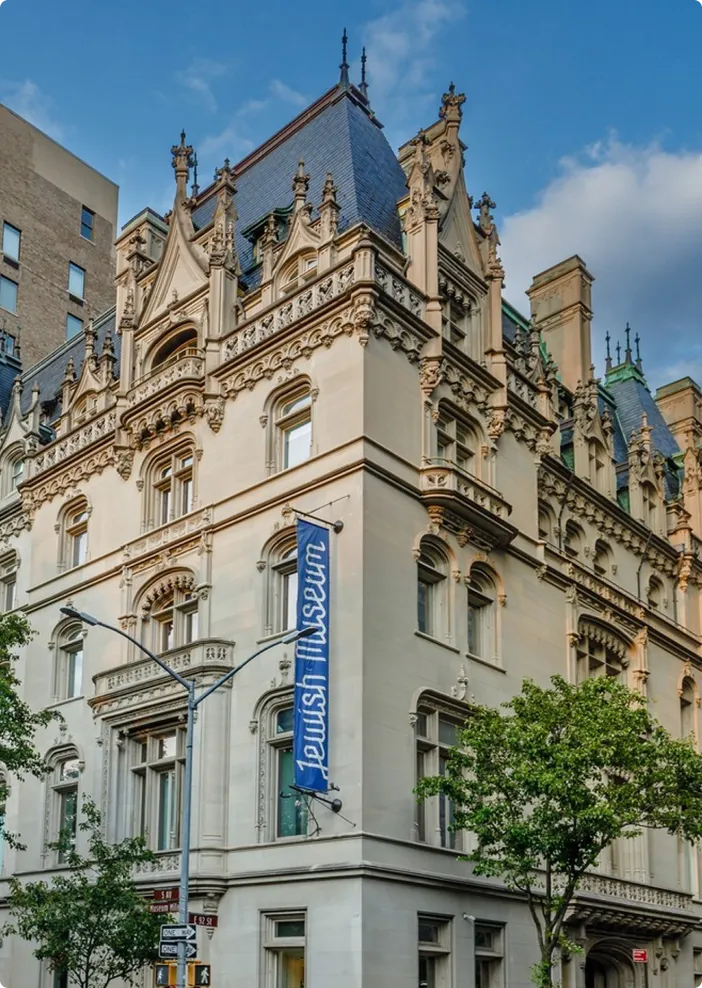
Exploring the vibrancy and complexity of Jewish world culture through art.
Visit TodayFeatured Exhibitions

Featured Programs & Events
-
 Today
Today -
-
-
Talks & Performances
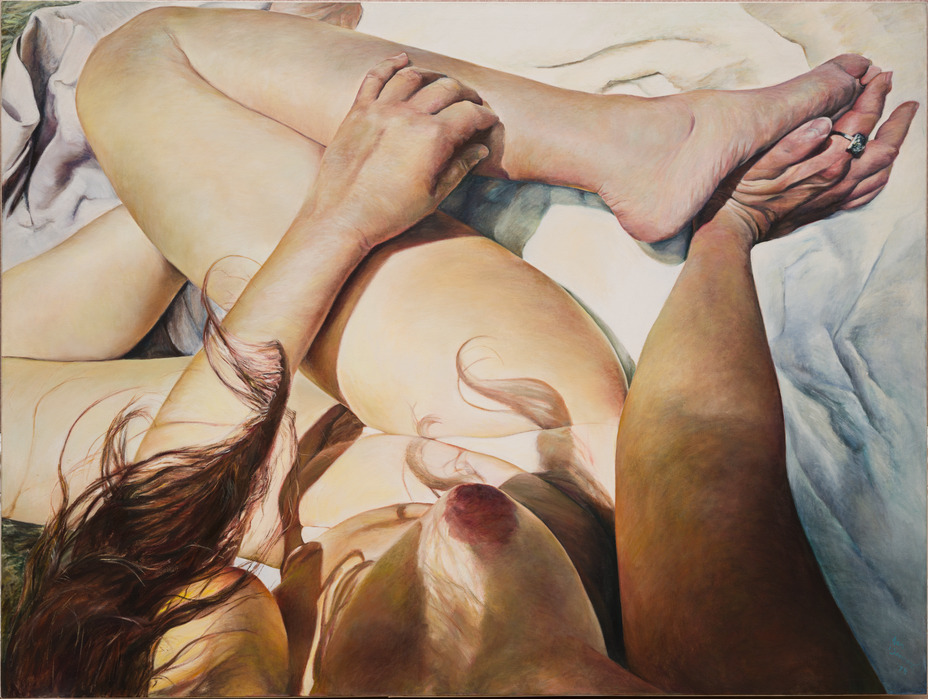
Writers and Artists Respond: Doron Langberg and Sarah Faux
Apr. 23, 2026 6:30 pm - 7:30 pm -
-
-




Join & Support
Support the Jewish Museum by becoming an Individual, Corporate, or Foundation contributor.

About the Jewish Museum
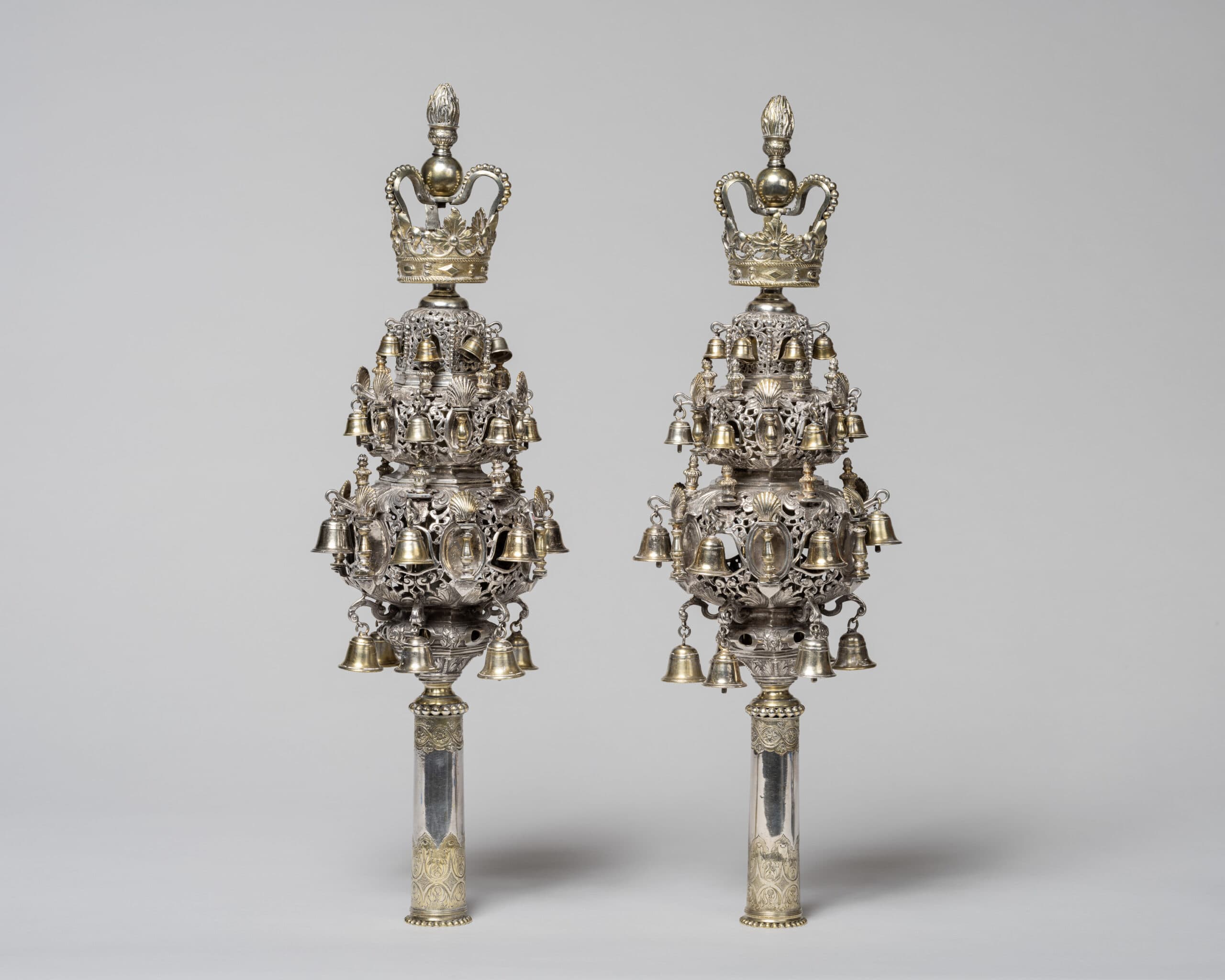
The Jewish Museum is an art museum illuminating the complexity and vibrancy of the global Jewish experience for all audiences. The first institution of its kind in the United States, it is one of the oldest Jewish Museums in the world.
Individual, $75
Senior, Student, Disabled, Bar/Bat Mitzvah $10 discount available at checkout
- Unlimited Free priority admission for one adult
- Special savings at the Shop and Cafe
- Invitation to exclusive Member Preview Days
- Free or discounted tickets to Museum programs, including the New York Jewish Film Festival and pre-sale opportunities where available
- Ability to purchase two discounted guest passes on each visit
- Monthly Museum Digest
Dual, $125
Senior, Student, Disabled, Bar/Bat Mitzvah, $10 discount available at checkout
- Unlimited Free priority admission for two adults
- Special savings at the Shop and Cafe
- Invitation to exclusive Member Preview Days
- Free or discounted tickets to Museum programs, including the New York Jewish Film Festival and pre-sale opportunities where available
- Ability to purchase two discounted guest passes on each visit
- Monthly Museum Digest
Family, $145
Senior, Student, Disabled, Bar/Bat Mitzvah $10 discount available at checkout
- Unlimited Free priority admission for two adults, and children 18 or younger
- Free or discounted tickets to Museum programs, including Family Programs, Family Days, and the New York Jewish Film Festival; pre-sale opportunities where available
- Special savings at the Shop and Cafe
- Invitation to exclusive Member Preview Days
- Ability to purchase two discounted guest passes on each visit
- Monthly Museum Digest
Friend, $175
Senior, Student, Disabled, Bar/Bat Mitzvah $10 discount available at checkout
- Unlimited Free priority admission for two adults
- Two free one-time guest passes, redeemable at the front desk
- Free or discounted tickets to Museum programs, including special lectures, Family Programs, Family Days, and the New York Jewish Film Festival; pre-sale opportunities where available
- Special savings at the Shop and Cafe
- Invitation to exclusive Member Preview Days
- Ability to purchase two discounted guest passes on each visit
- Monthly Museum Digest
Contributing, $250
Senior, Student, Disabled, Bar/Bat Mitzvah $10 discount available at checkout
- Unlimited Free priority admission for two adults
- Four free one-time guest passes, redeemable at the front desk
- Reciprocal admission at select U.S. Museums
- Free or discounted tickets to Museum programs, including special lectures, Family Programs, Family Days, and the New York Jewish Film Festival; pre-sale opportunities where available
- Special savings at the Shop and Cafe
- Invitation to exclusive Member Preview Days
- Ability to purchase two discounted guest passes on each visit
- Monthly Museum Digest
Supporter, $500
Senior, Student, Disabled, Bar/Bat Mitzvah $10 discount available at checkout
- Unlimited Free priority admission for two adults
- Invitation to Exhibition Opening Night receptions throughout the year
- Four free one-time guest passes, redeemable at the front desk
- Reciprocal admission at select U.S. Museums
- Free or discounted tickets to Museum programs, including special lectures, Family Programs, Family Days, and the New York Jewish Film Festival; pre-sale opportunities where available
- Special savings at the Shop and Cafe
- Invitation to exclusive Member Preview Days
- Ability to purchase two discounted guest passes on each visit
- Monthly Museum Digest
Young Patron, $540
A dynamic group for young professionals and next generation leaders, ages 21-49.
A dynamic group for young professionals and next generation leaders, ages 21-49.
Young Patrons enjoy curated events and programs, including artist studio visits, curator-led exhibition tours, and a calendar of social gatherings. Through their dedication and leadership, Young Patrons play an integral role in shaping the future of the Jewish Museum.
Benefits include:
- Unlimited free admission for four adults
- Invitations to exclusive exhibition opening receptions
- Invitations to monthly Young Patron programs
- Discounts, priority registration, and leadership opportunities for special events, including Shabbat Dinners and the Purim Ball After Party
Additional leadership levels and discounted first-year membership are available. Contact Chloe Hyman, Development Officer to learn more: 212.423.3268 | [email protected]
Sustainer, $750
Senior, Student, Disabled, Bar/Bat Mitzvah $10 discount available at checkout
- Unlimited Free priority admission for two adults
- Invitation to Exhibition Opening Night receptions throughout the year
- Six free one-time guest passes, redeemable at the front desk
- Reciprocal admission to select U.S. Museums
- Free or discounted tickets to Museum programs, including special lectures, Family Programs, Family Days, and the New York Jewish Film Festival; pre-sale opportunities where available
- Special savings at the Shop and Cafe
- Invitation to exclusive Member Preview Days
- Ability to purchase two discounted guest passes on each visit
- Monthly Museum Digest
Fellow, $5,000
Fellows enjoy all Patron-level benefits, as well as invitations to prestigious art fairs and related offsite programming.
For questions about Fellow Membership, including upcoming Fellow events, please email [email protected].
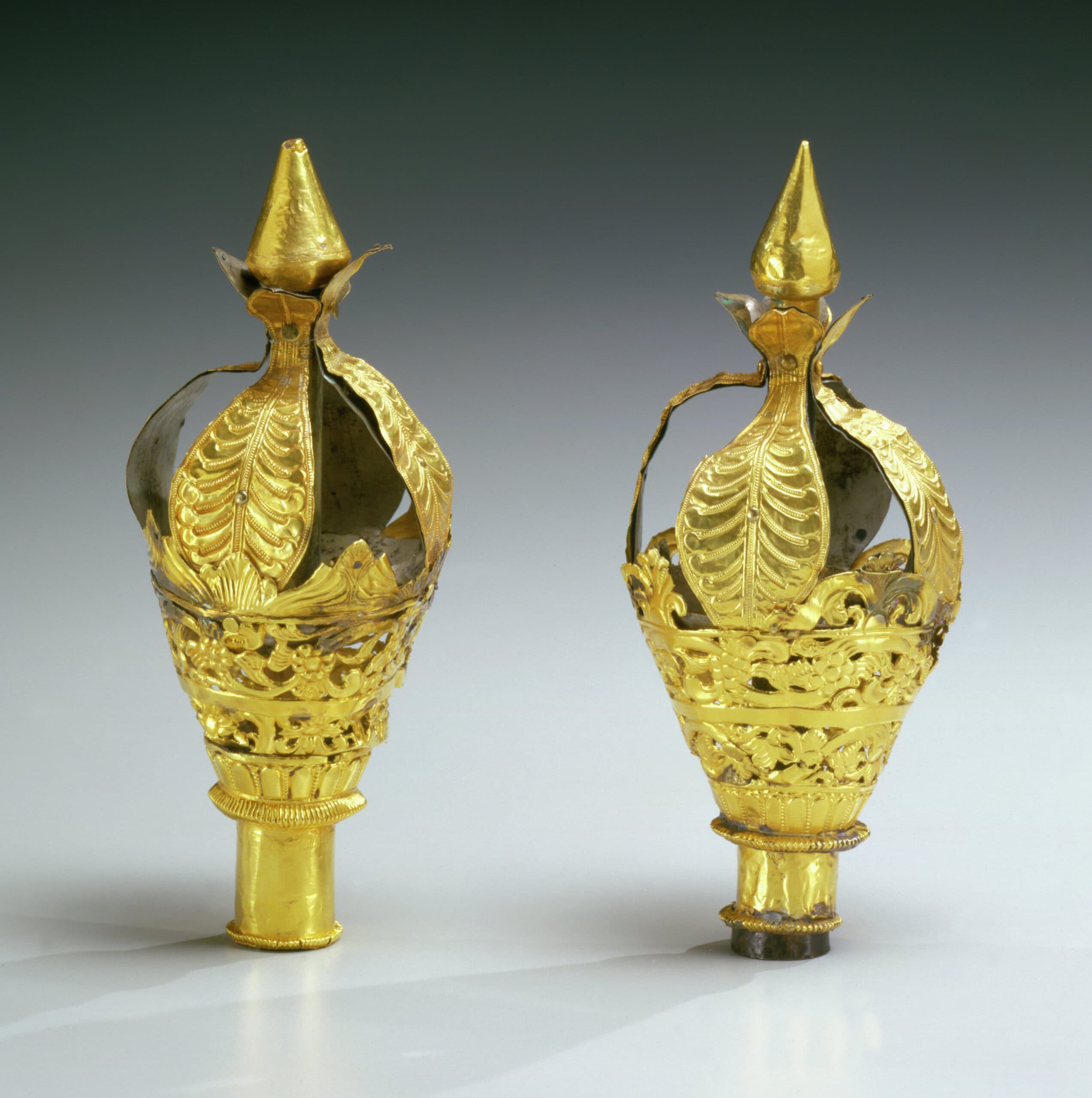
Patron, $1,000
Receive exclusive and personalized access to the Jewish Museum
Patrons enjoy all Jewish Museum membership benefits in addition to personalized access to the Jewish Museum through invitations to Patron-exclusive exhibition experiences, including when the Museum is otherwise closed to the public. Patron-level members and above are featured on the Museum’s annual list of supporters.
For questions about Patron Membership, including upcoming Patron events, please email [email protected].
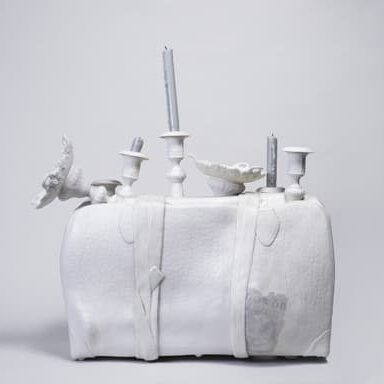
For annual support beginning with gifts of $10,000
As the entrypoint for the Jewish Museum’s philanthropic Giving Circles, Museum Council membership offers all benefits available at the Fellow membership level, plus participation in our prestigious Museum Council community through invitations to special programs and series followed by private Museum Council experiences. Museum Council members also have access to private tours of the Museum, including when the Museum is closed to the public.
For questions about Jewish Museum Giving Circles, including a full calendar of upcoming Giving Circle events, please contact Chloë Drew, Senior Major Gifts Officer, 212.423.3347, [email protected].
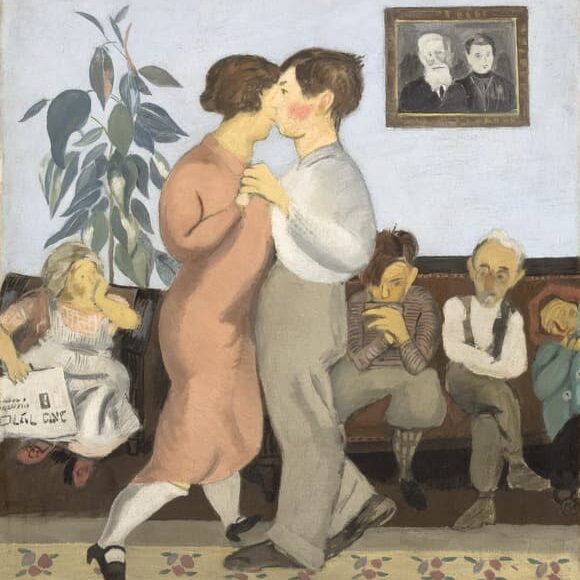
For annual support beginning with gifts of $25,000
The Curator’s Circle is a community of Jewish Museum leaders enjoying all benefits of our Museum Council, as well as invitations to offsite private art experiences like curated visits to special collections and collectors’ private homes. Curator’s Circle members are eligible for the Jewish Museum committee participation at this level.
For questions about Jewish Museum Giving Circles, including a full calendar of upcoming Giving Circle events, please contact Chloë Drew, Senior Major Gifts Officer, 212.423.3347, [email protected].
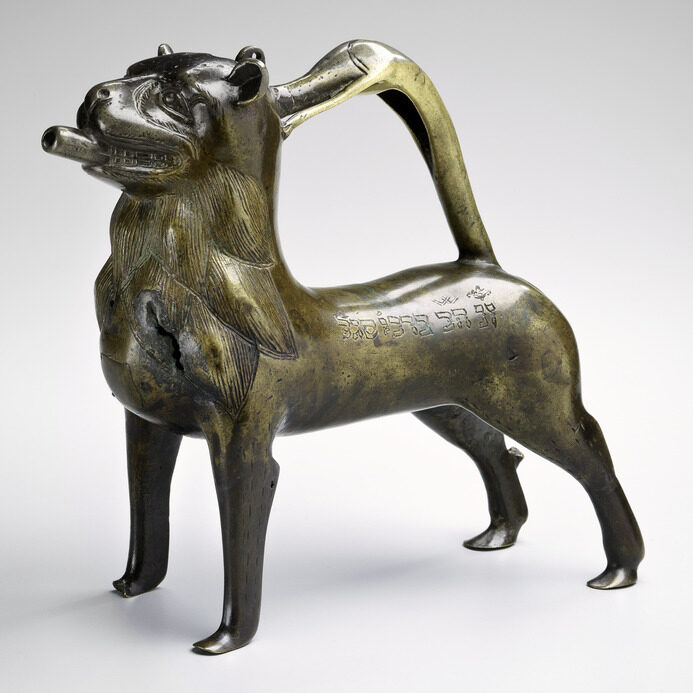
For annual support beginning with gifts of $50,000
The Director’s Circle enjoys all benefits of our Curator’s Circle, as well as access to the Museum’s exclusive travel program, with local and international travel destinations including Palm Beach, Miami, Israel, and Venice, among others.
For questions about Jewish Museum Giving Circles, including a full calendar of upcoming Giving Circle events, please contact Chloë Drew, Senior Major Gifts Officer, 212.423.3347, [email protected].
For annual support beginning with gifts of $100,000
The Chairman’s Circle sustains the Museum’s dynamic program and strategic growth through our highest level of annual support. Chairman’s Circle members enjoy all offered Membership and Giving Circles benefits alongside access to exclusive Chairman’s Circle programming and social events with Museum leadership.
For questions about our Chairman’s Circle, including a full calendar of upcoming events, please contact Denise Gordon, Chief Development Officer, 212.423.3236 [email protected].